Purpose
Understand what structure, condition, or movement pattern the test is intended to assess.
A focused reference for learning, reviewing, and comparing orthopedic and medical special tests by anatomical region, clinical purpose, and interpretation.
Each entry is organized to help students and clinicians move from question to examination: when to use a test, how to perform it, what a positive finding means, and where evidence supports interpretation.
Understand what structure, condition, or movement pattern the test is intended to assess.
Follow concise positioning and performance steps for consistent clinical practice.
Review positive findings, clinical meaning, and practical cautions for each test.
Compare sensitivity, specificity, and article-based notes when they are available.
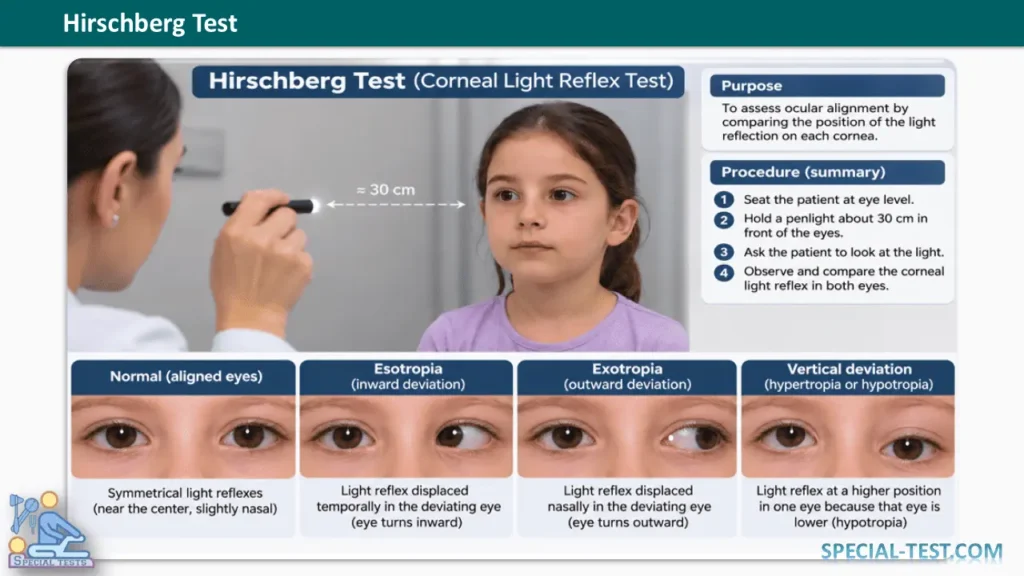
Learn how to perform the Hirschberg test, interpret corneal light reflex findings, identify strabismus, and understand the test's accuracy and…
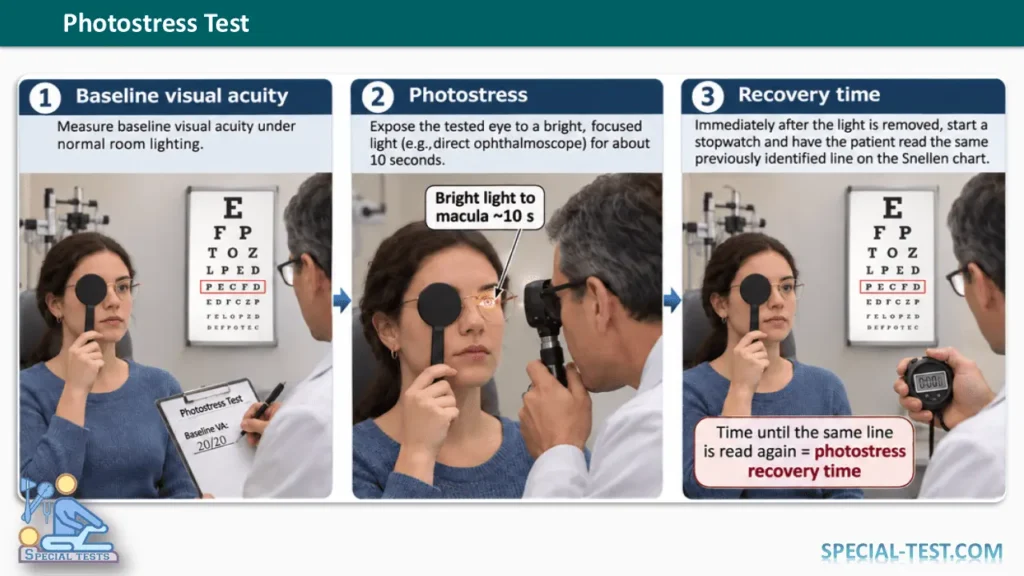
Learn about the photostress test, its clinical purpose, procedure, normal recovery time, positive results and role in diagnosing macular dysfunction.
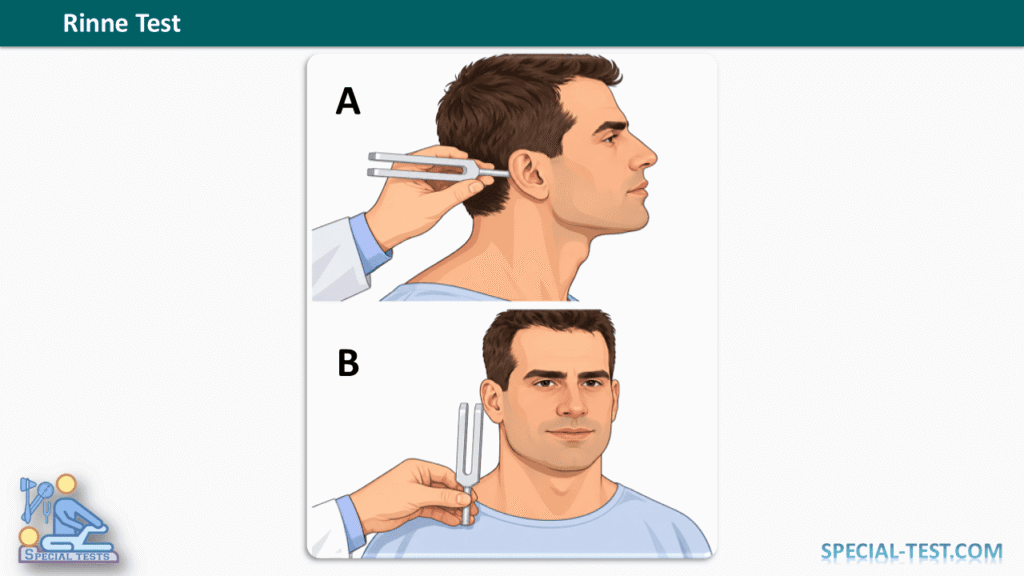
Learn how to perform the Rinne test, interpret positive and negative results, and differentiate conductive from sensorineural hearing loss.
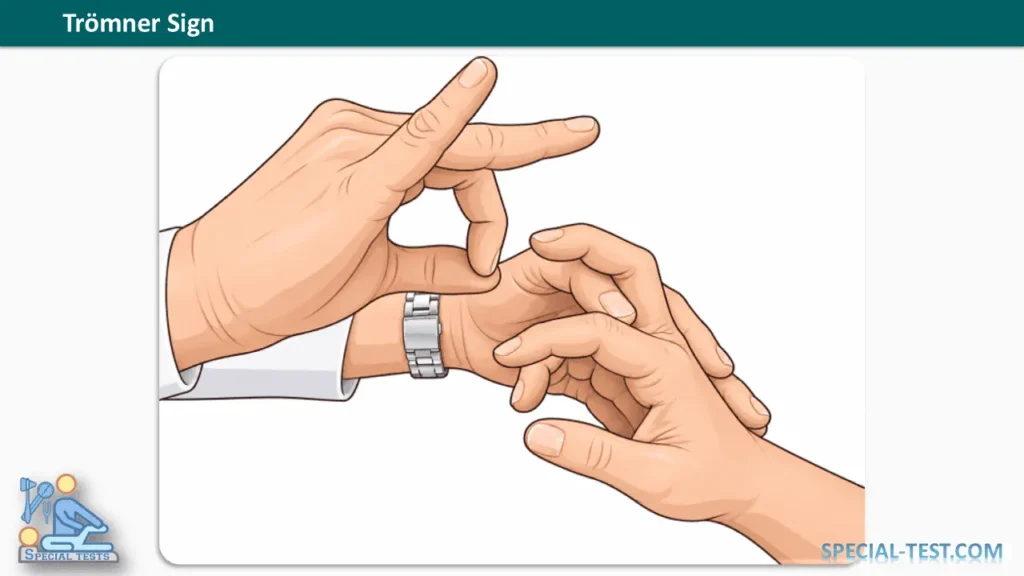
Learn how to perform the Trömner sign, interpret positive and negative results, and understand its diagnostic accuracy in cervical myelopathy.
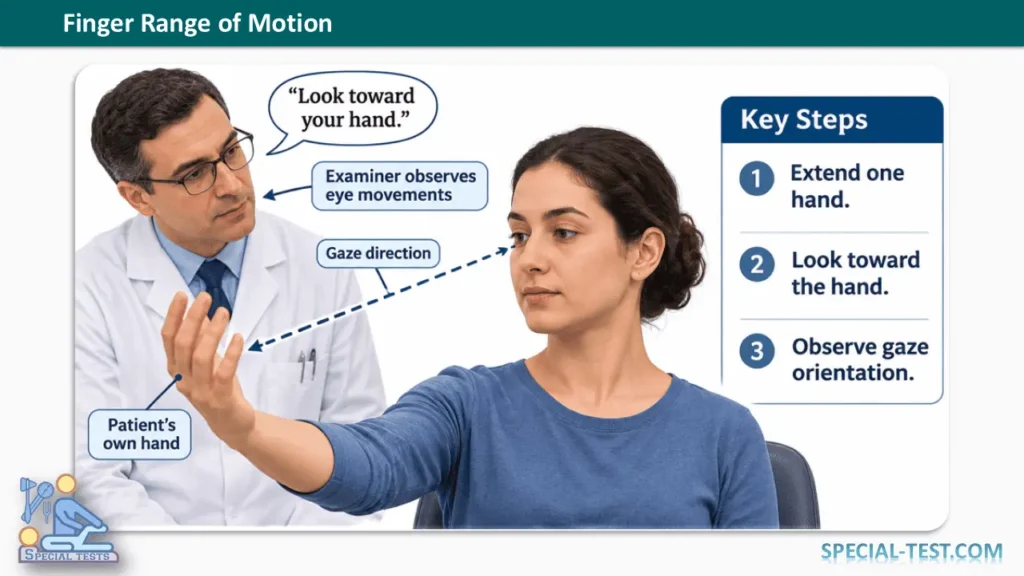
Learn about the Schmidt-Rimpler Test, its purpose, how to perform it, interpretation of results, limitations, and its role in evaluating…
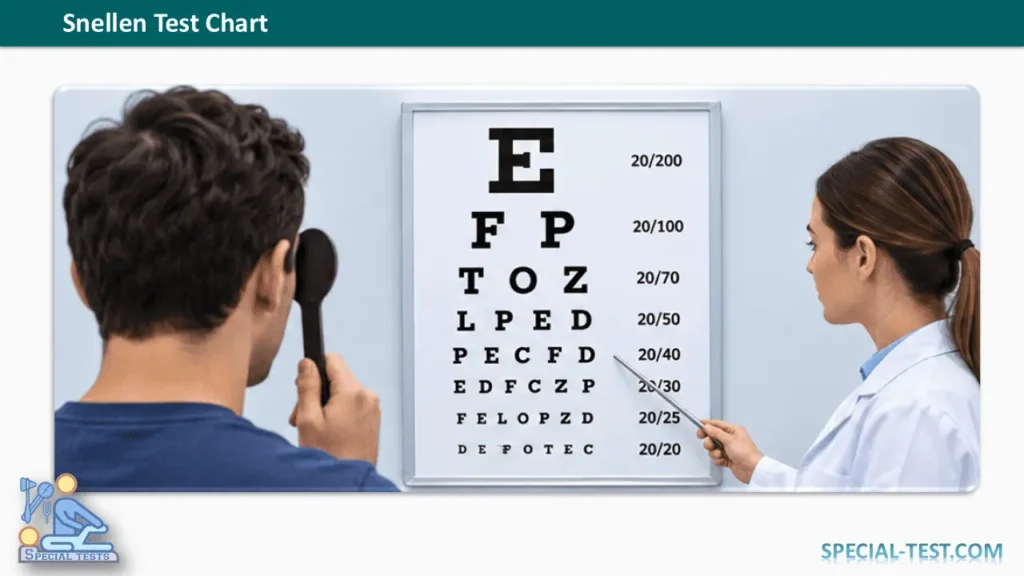
Learn how to use the Snellen eye chart, perform a visual acuity test, understand 20/20 and 6/6 vision, and interpret…
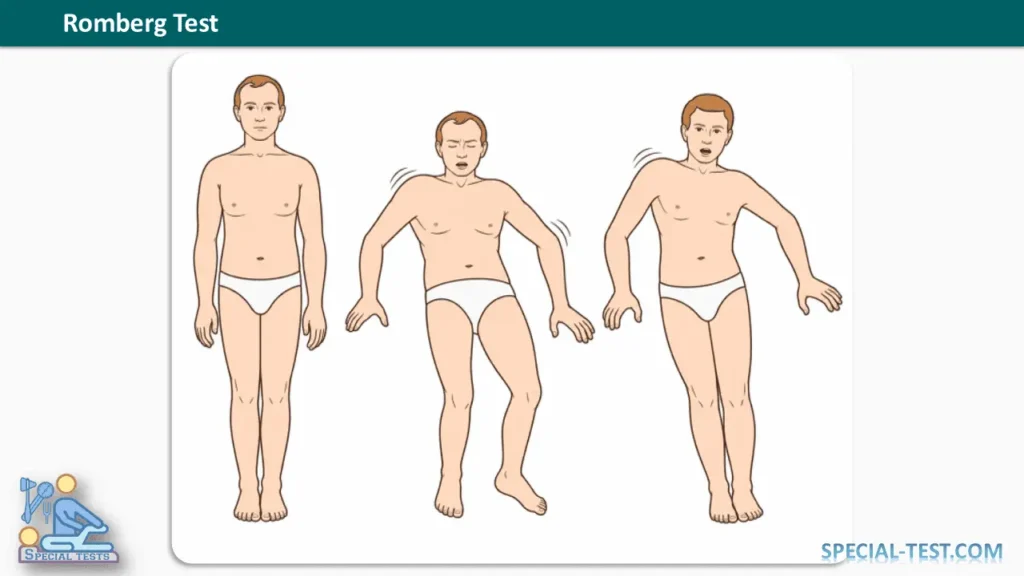
Learn how to perform the Romberg test, interpret positive and negative results, and identify sensory ataxia, proprioceptive deficits, and balance…
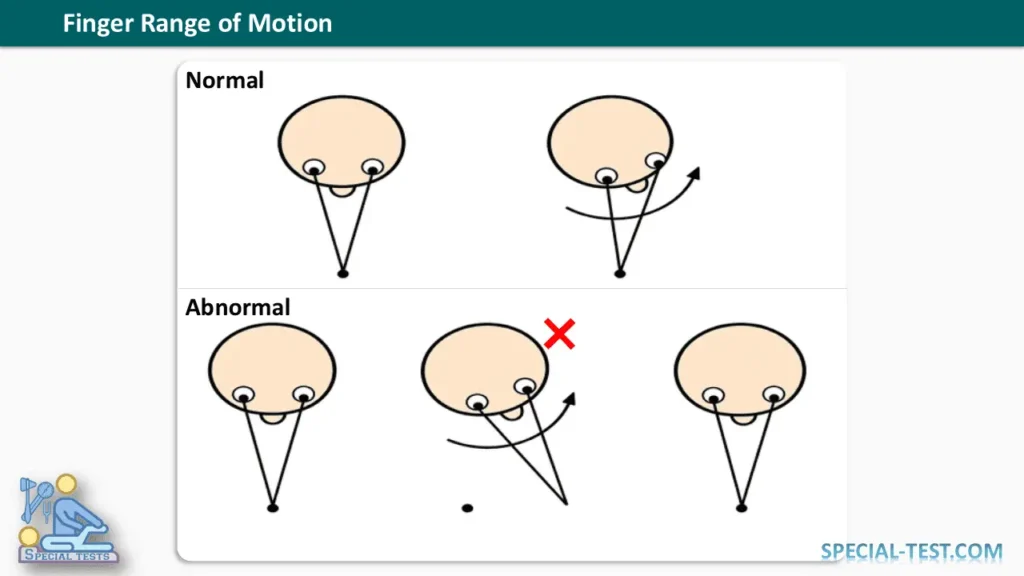
Learn how to perform the Head Thrust Test, interpret positive and negative results, assess vestibulo-ocular reflex function, and understand clinical…
Start with an anatomical region, scan the available tests, then open a test page for indications, performance details, and interpretation. The structure is designed for quick review before labs, placements, and clinical discussions.
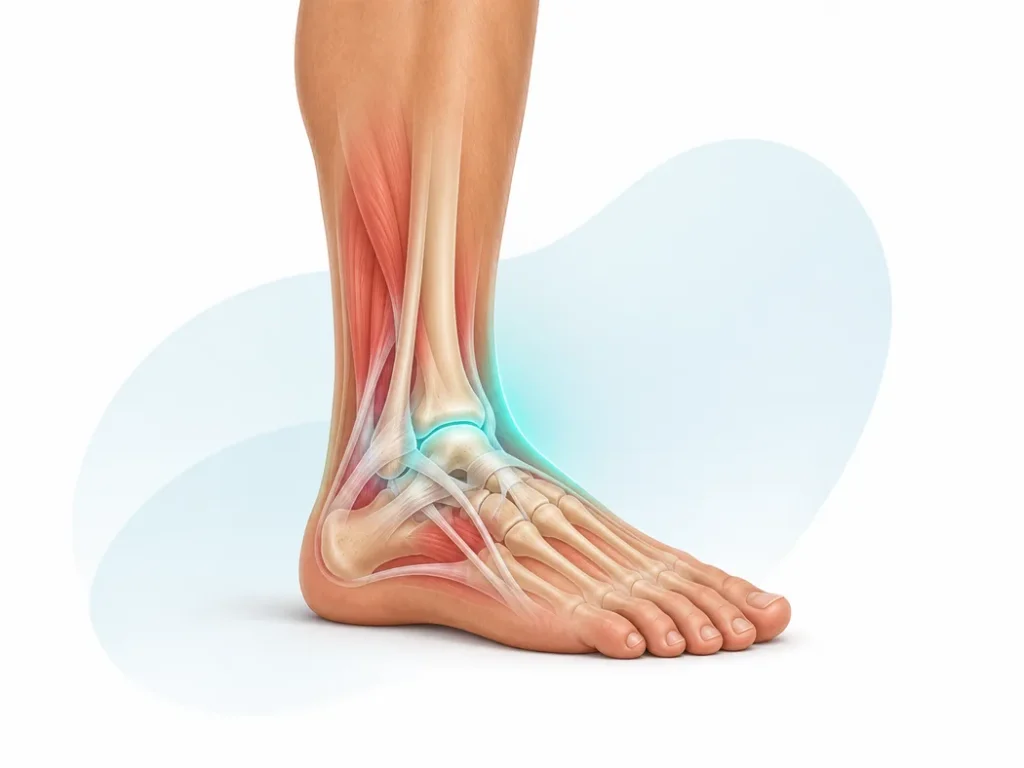
Ankle & Foot Examination — Comprehensive ankle and foot examination resources covering clinical assessment, common conditions, diagnostic techniques, and key findings for orthopedic evaluation.
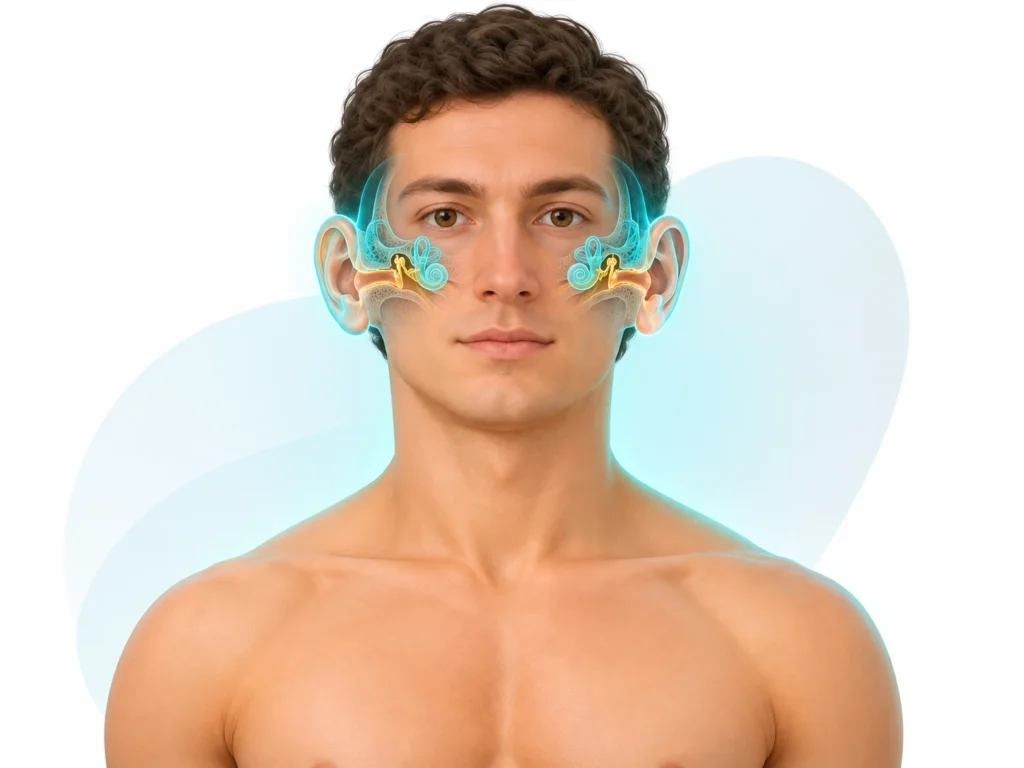
Ear Examination — Explore clinical ear examination techniques, including otoscopy, hearing assessment, tuning fork tests, and vestibular evaluation, with practical procedures and interpretation of key clinical findings.
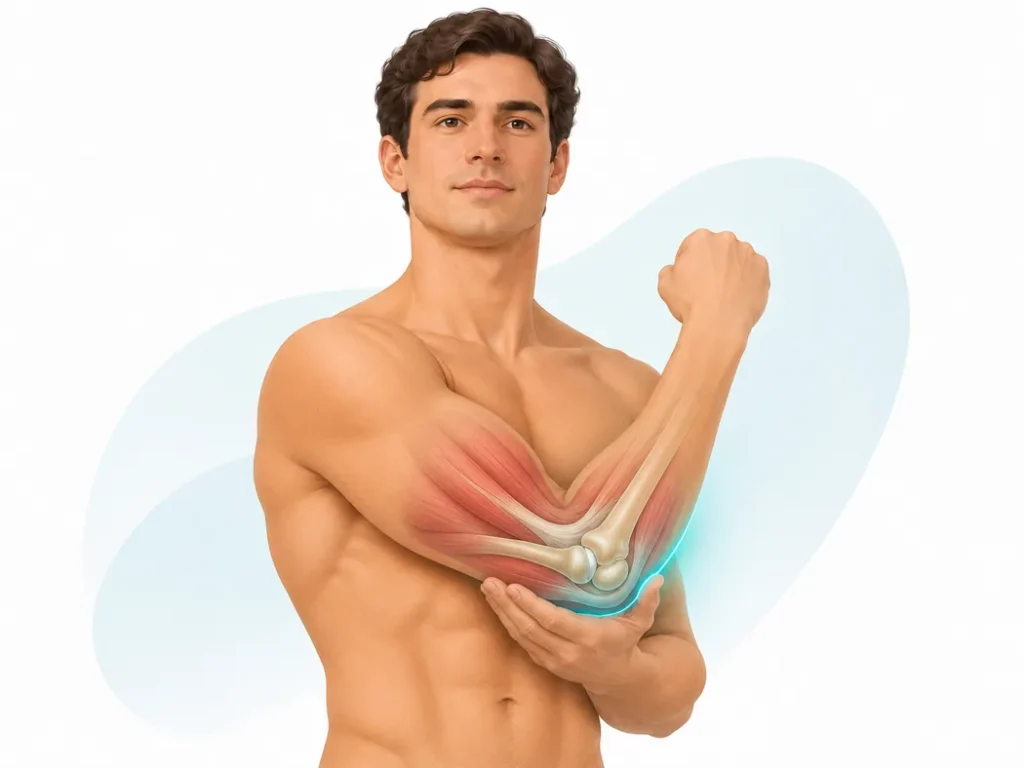
Elbow Examination — Learn how to assess the elbow through clinical examination techniques, common orthopedic conditions, range of motion testing, and diagnostic findings.
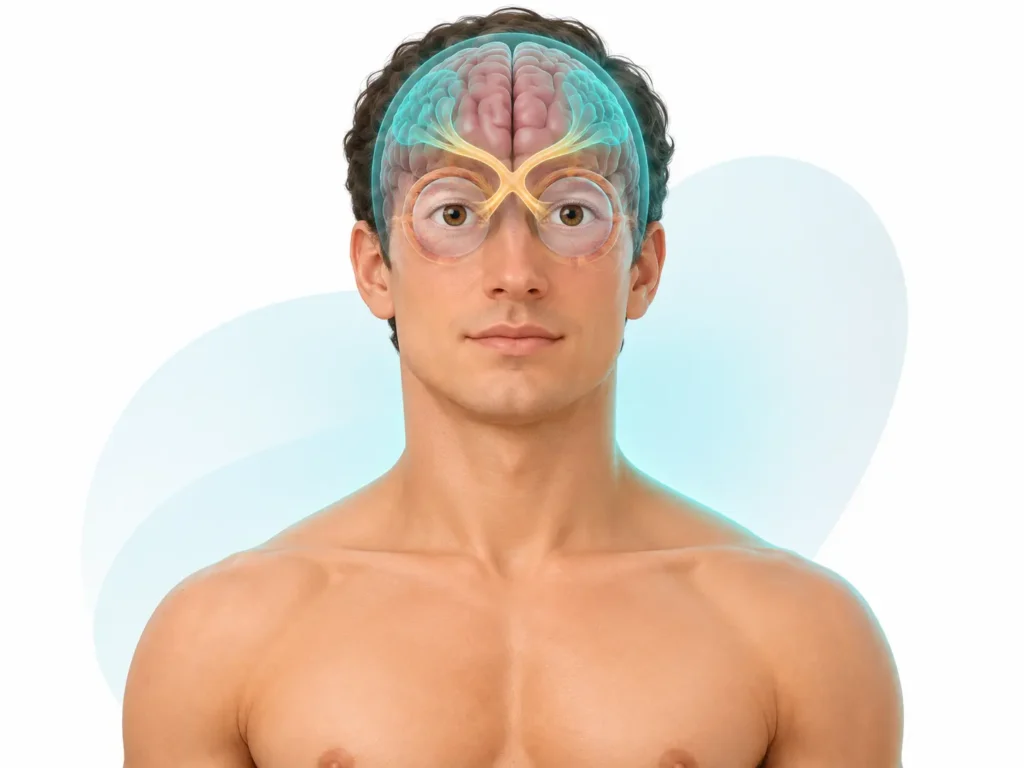
Eye Examination — Explore clinical eye examination techniques, including visual acuity testing, pupillary responses, eye movements, and ocular health assessment, with practical procedures and interpretation of key clinical findings.
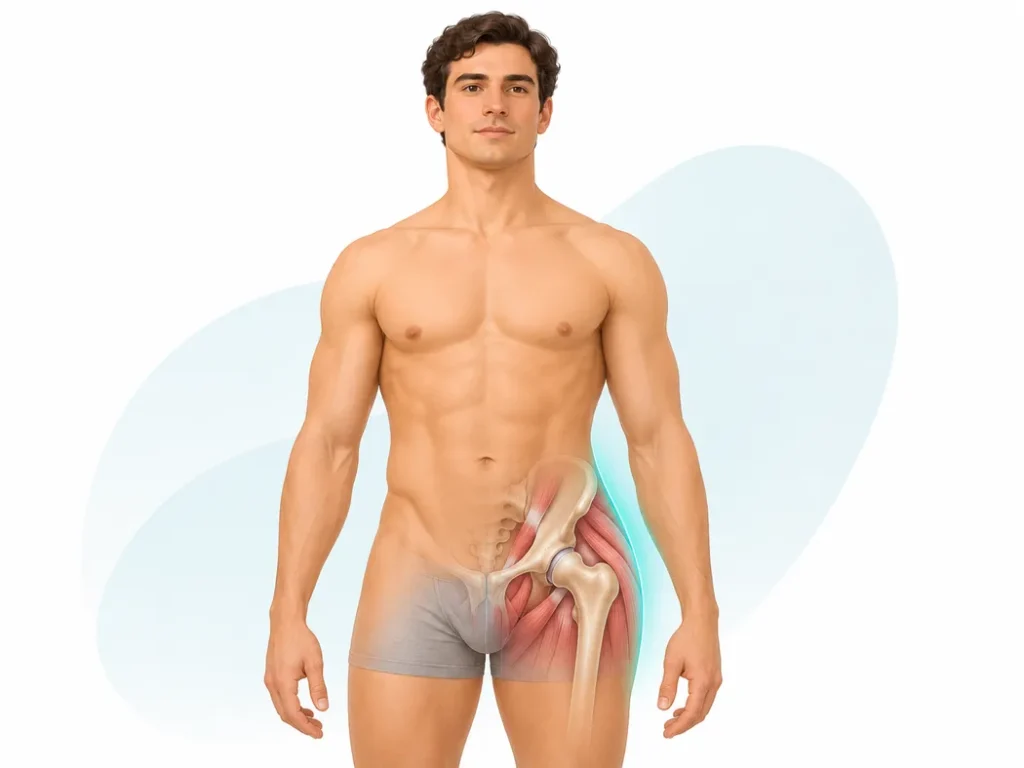
Hip Examination — Explore clinical hip examination techniques, including range of motion, special tests, common conditions, and key findings used in orthopedic assessment.
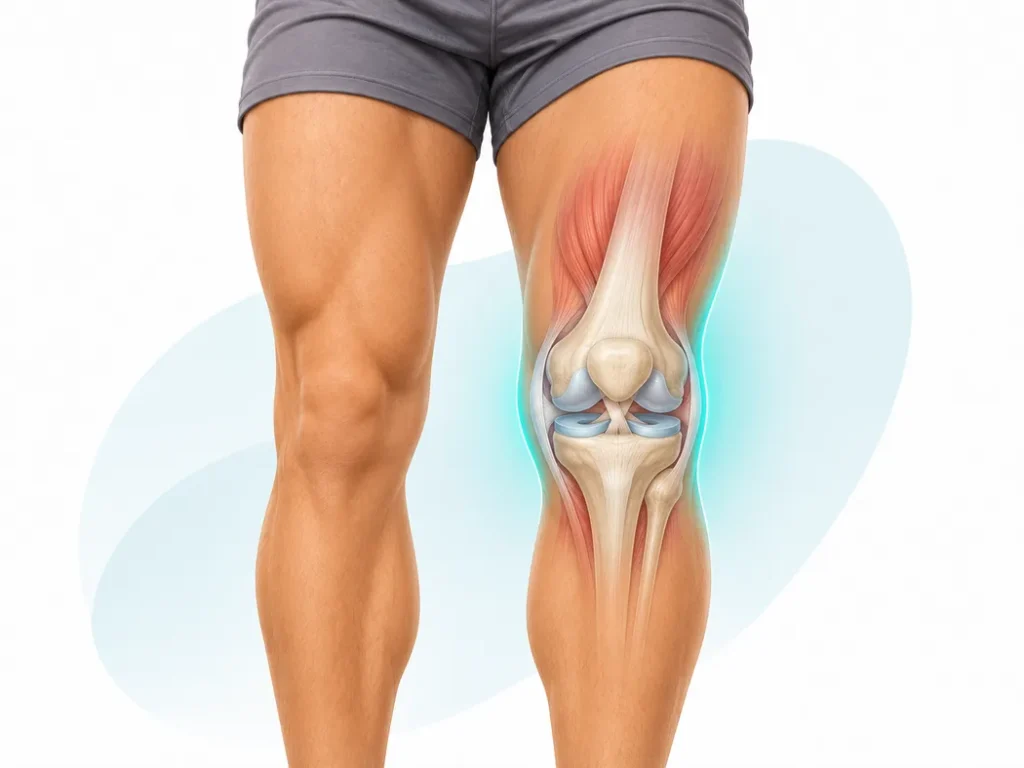
Knee Examination — Comprehensive knee examination resources covering clinical tests, ligament and meniscus assessment, range of motion, common conditions, and orthopedic findings.
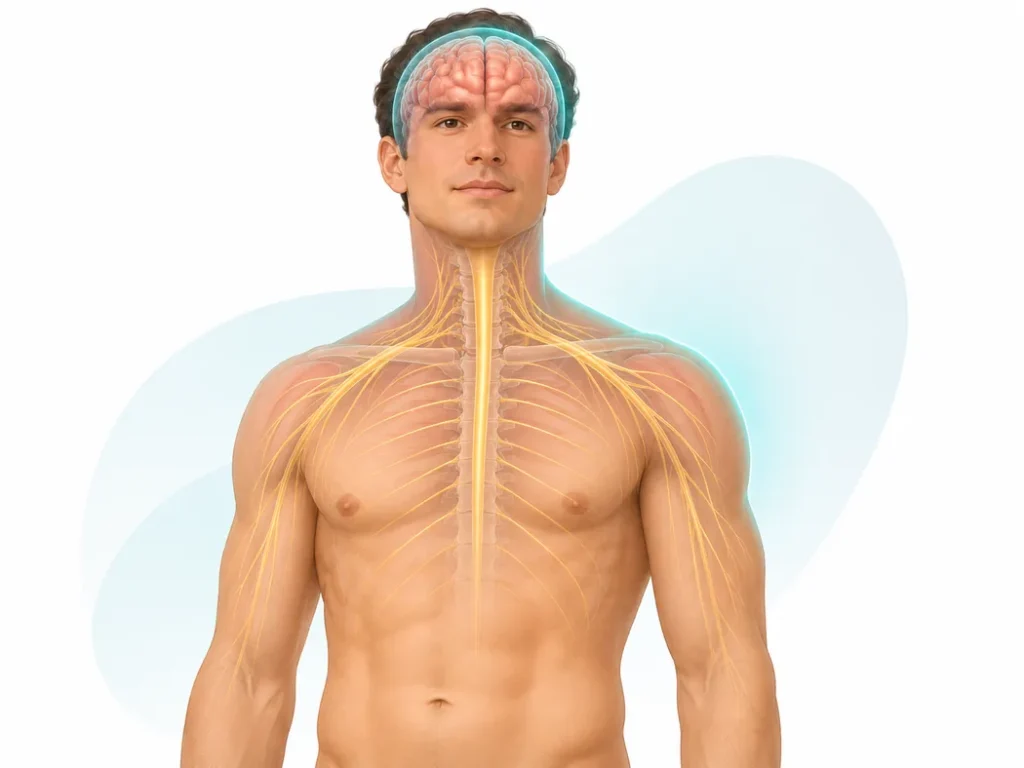
Neurological Examination — Explore neurological examination techniques for assessing motor function, sensation, reflexes, coordination, and neurological signs relevant to clinical diagnosis.

Pediatrics Examination — Pediatric examination resources covering musculoskeletal assessment, developmental findings, common orthopedic conditions, and clinical evaluation techniques for children.
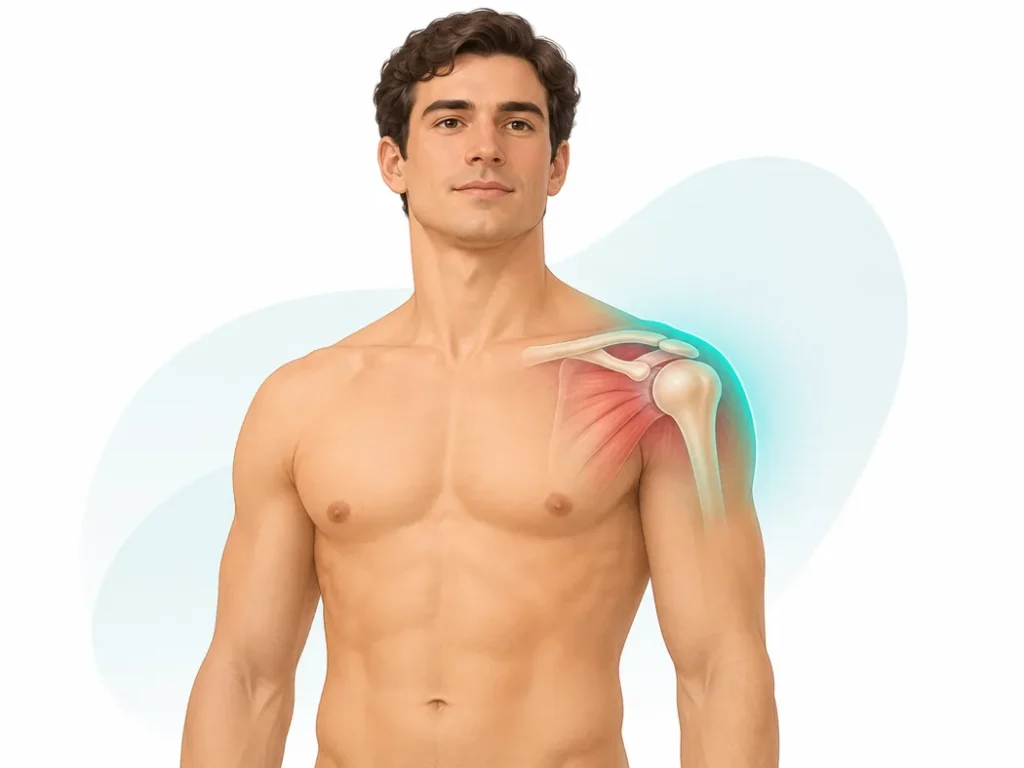
Shoulder Examination — Learn shoulder examination techniques, including range of motion, special tests, common injuries, and clinical findings used in orthopedic assessment.
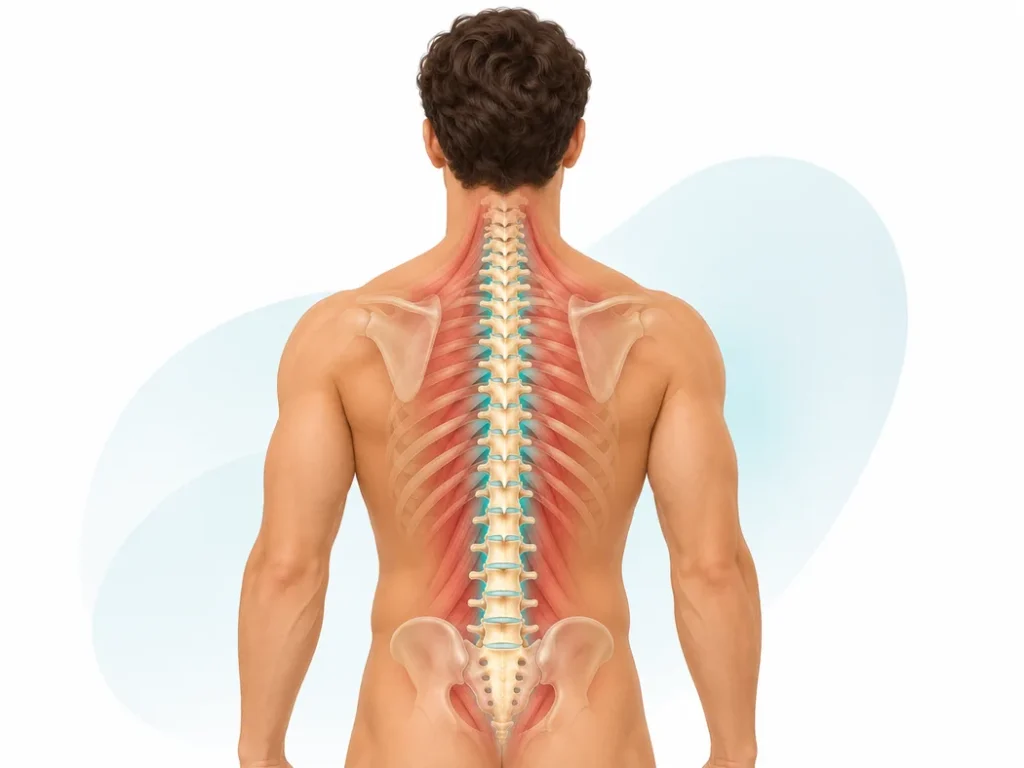
Spine Examination — Comprehensive spine examination resources covering posture, range of motion, neurological assessment, special tests, and clinical findings for spinal conditions.
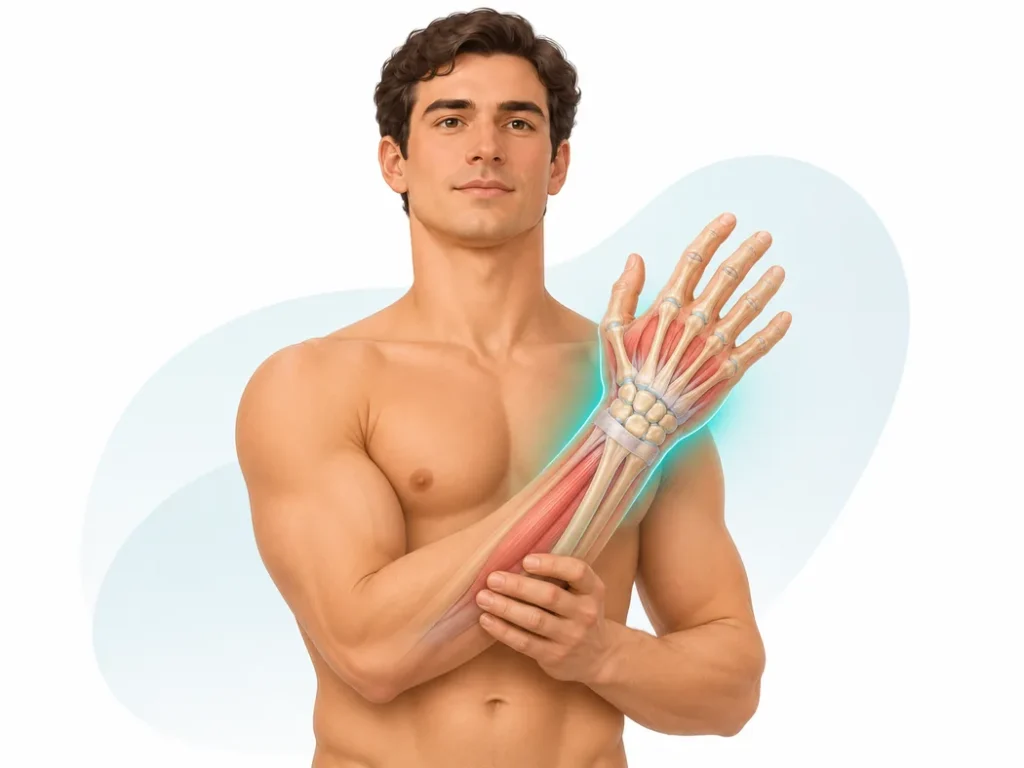
Wrist & Hand Examination — Explore wrist and hand examination techniques, including range of motion, nerve assessment, special tests, common conditions, and clinical findings.