Purpose
Understand what structure, condition, or movement pattern the test is intended to assess.
A focused reference for learning, reviewing, and comparing orthopedic and medical special tests by anatomical region, clinical purpose, and interpretation.
Each entry is organized to help students and clinicians move from question to examination: when to use a test, how to perform it, what a positive finding means, and where evidence supports interpretation.
Understand what structure, condition, or movement pattern the test is intended to assess.
Follow concise positioning and performance steps for consistent clinical practice.
Review positive findings, clinical meaning, and practical cautions for each test.
Compare sensitivity, specificity, and article-based notes when they are available.
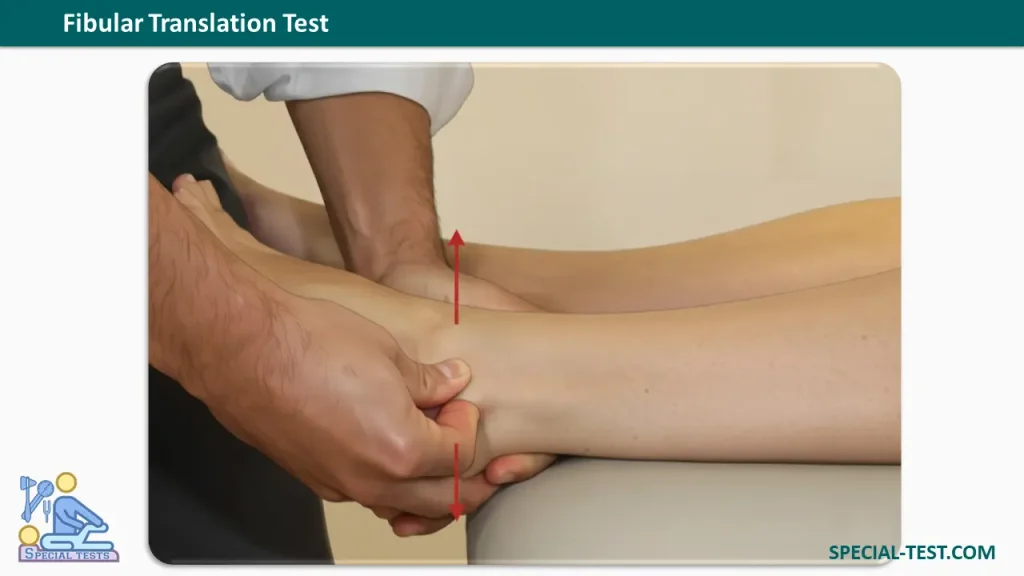
What is the “Fibular Translation Test” used for? How to perform the “Fibular Translation Test”? What is the positive result?…
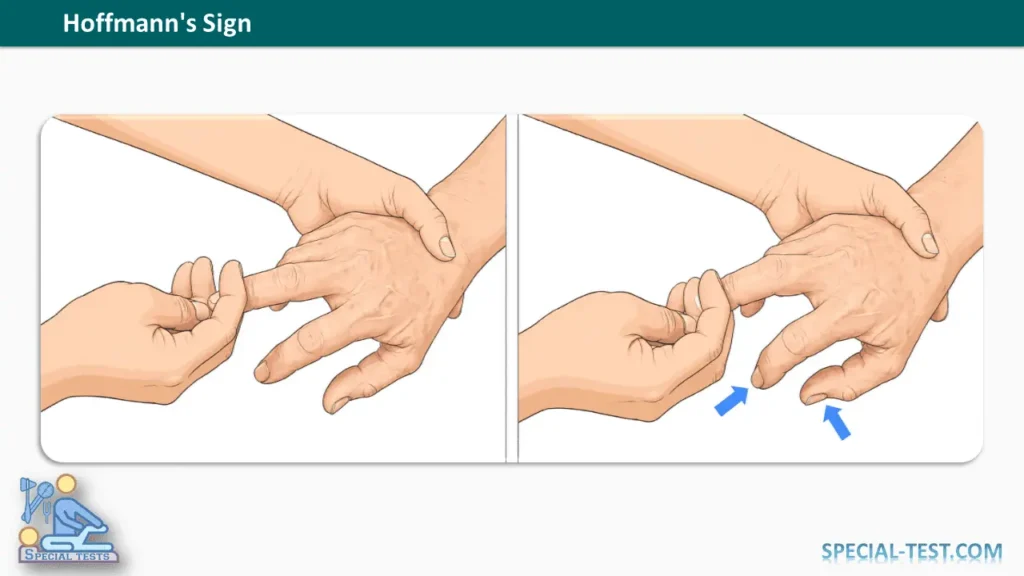
What is the Hoffmann’s Sign Used For? How to Perform the Hoffmann’s Sign? Test Result What a Positive Result Means
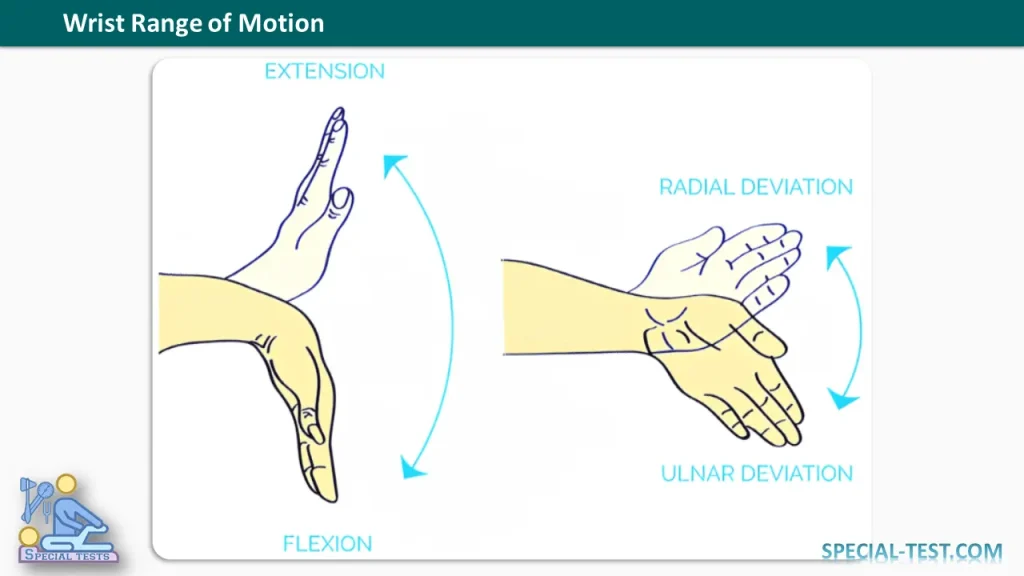
Assessing wrist function is a vital component of orthopedic and physical therapy examinations. Whether you are evaluating an athlete recovering…
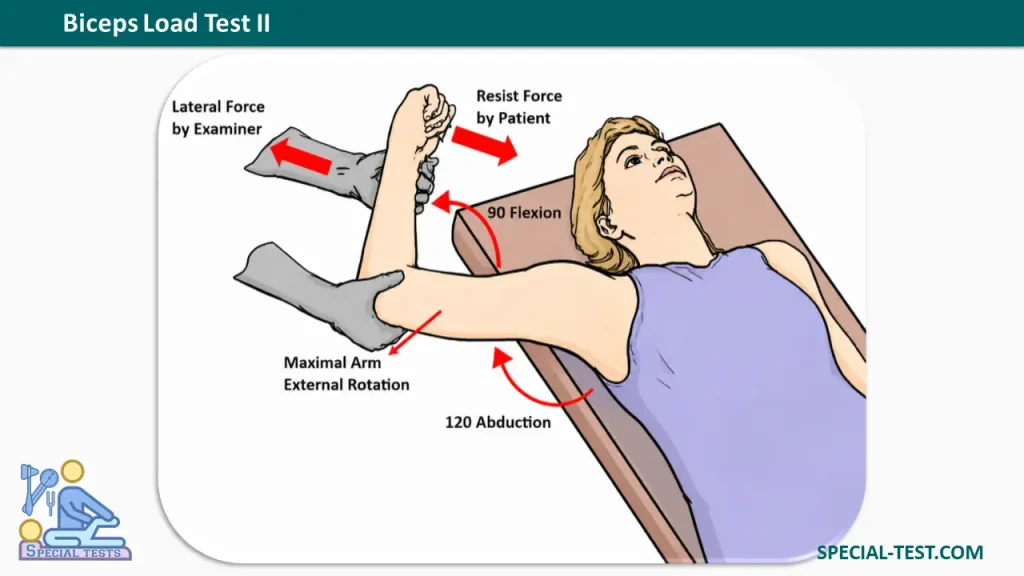
What is the "Biceps Load Test II" used for? Biceps Load Test II is used for isolated SLAP lesions independent…
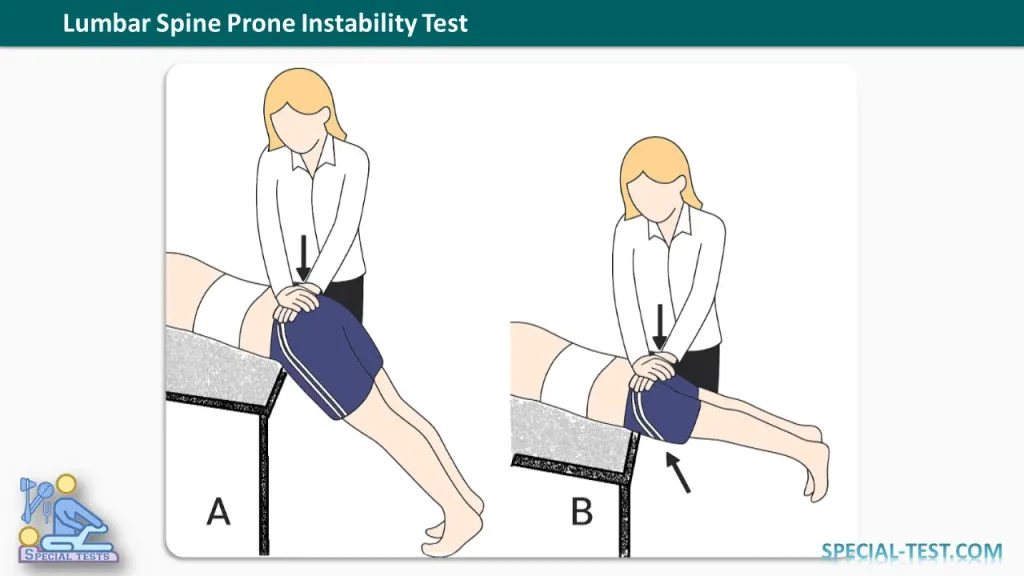
What is the "Prone Instability Test" used for? Lumbar spine instability in patients presenting with chronic low back pain. This…
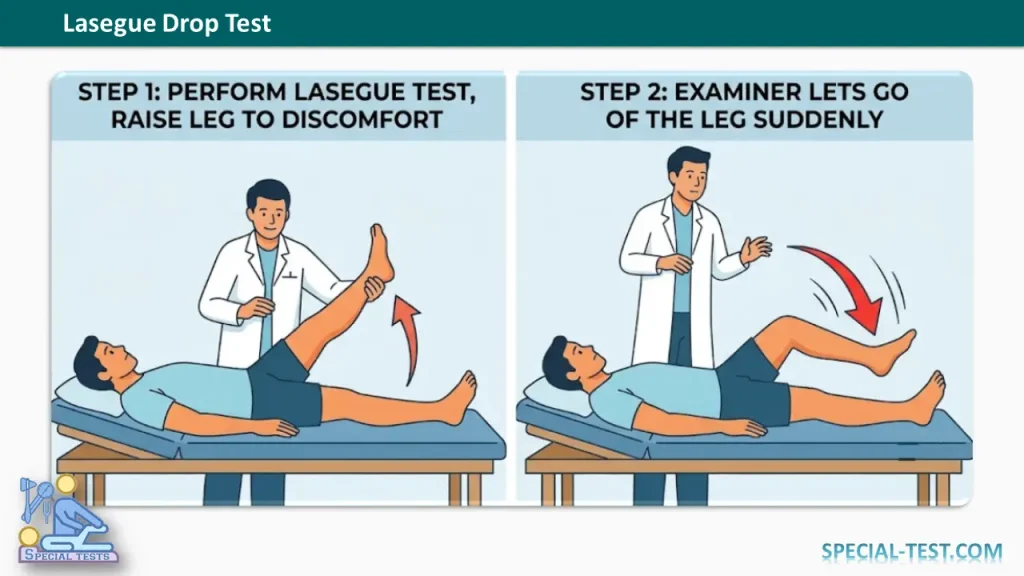
What is the “Lasegue Drop Test” used for? How to perform the “Lasegue Drop Test”? What is the positive result?…
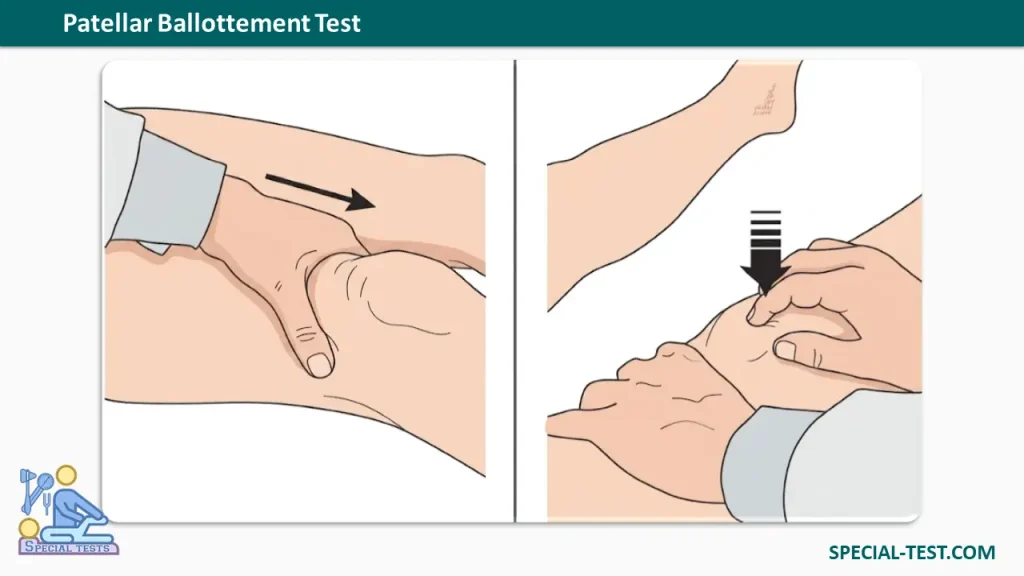
What is the "Patellar Ballottement (Patellar Tap Test)" used for? Ballottement of the patella is a useful technique for detecting…
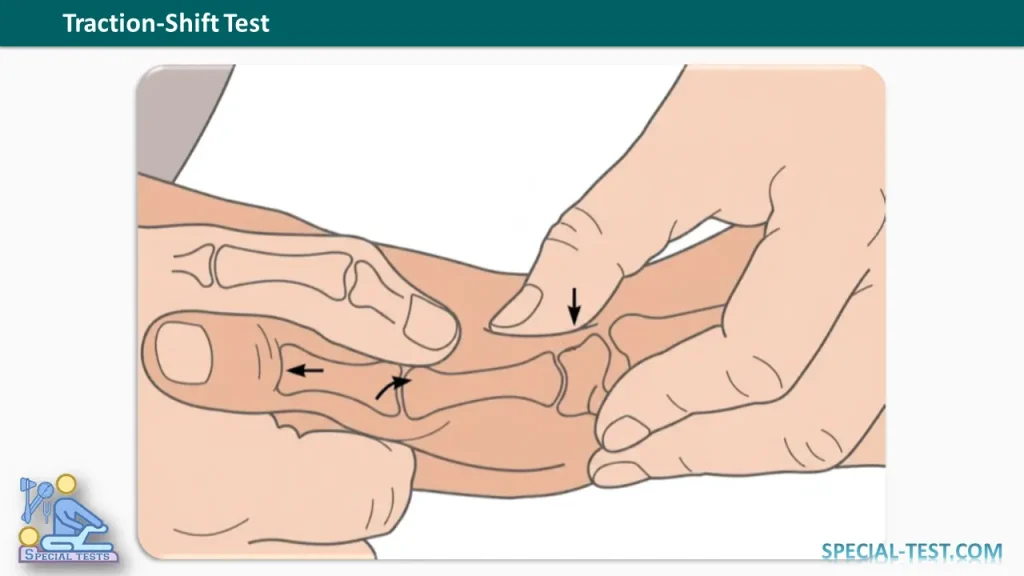
What is the "Traction-Shift Test" used for? Arthritis of CMC joint of the thumb How to perform the "Traction-Shift Test"?…
Start with an anatomical region, scan the available tests, then open a test page for indications, performance details, and interpretation. The structure is designed for quick review before labs, placements, and clinical discussions.
Ankle & Foot Examination — Comprehensive ankle and foot examination resources covering clinical assessment, common conditions, diagnostic techniques, and key findings for orthopedic evaluation.
Elbow Examination — Learn how to assess the elbow through clinical examination techniques, common orthopedic conditions, range of motion testing, and diagnostic findings.
Hip Examination — Explore clinical hip examination techniques, including range of motion, special tests, common conditions, and key findings used in orthopedic assessment.
Knee Examination — Comprehensive knee examination resources covering clinical tests, ligament and meniscus assessment, range of motion, common conditions, and orthopedic findings.
Neurological Examination — Explore neurological examination techniques for assessing motor function, sensation, reflexes, coordination, and neurological signs relevant to clinical diagnosis.
Pediatrics Examination — Pediatric examination resources covering musculoskeletal assessment, developmental findings, common orthopedic conditions, and clinical evaluation techniques for children.
Shoulder Examination — Learn shoulder examination techniques, including range of motion, special tests, common injuries, and clinical findings used in orthopedic assessment.
Spine Examination — Comprehensive spine examination resources covering posture, range of motion, neurological assessment, special tests, and clinical findings for spinal conditions.
Wrist & Hand Examination — Explore wrist and hand examination techniques, including range of motion, nerve assessment, special tests, common conditions, and clinical findings.